CAP-01
Systems engineering
Translate complex requirements into architectures with clear interfaces, measurable risks and an executable validation path.
- Requirements and interface control
- Architecture and trade studies
- Verification planning
Integrated engineering / 01
EBAT brings research, controls, software and field engineering into one accountable team. We turn operating constraints into technology that can be tested, deployed and maintained.
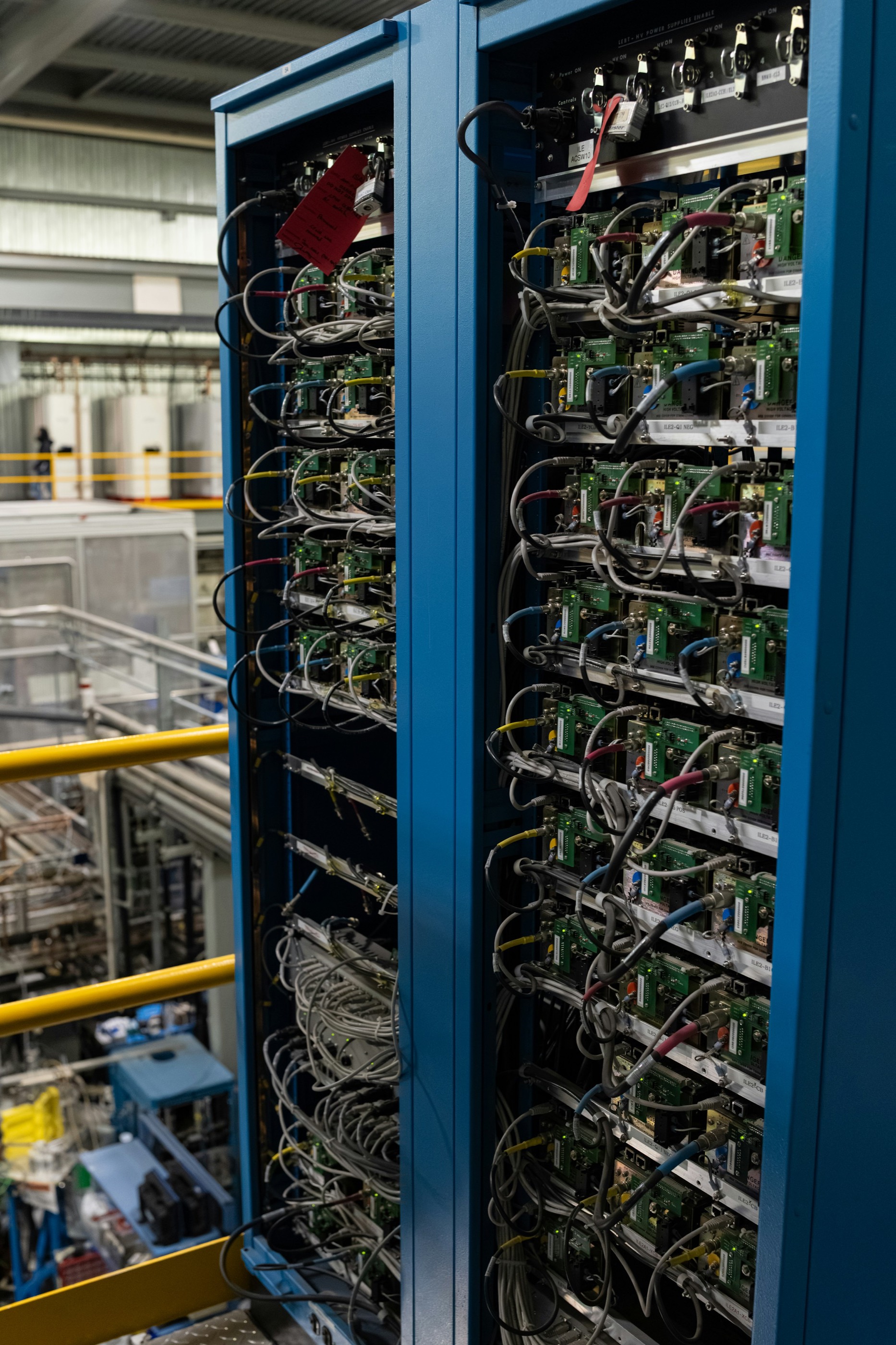
System state / verified
Our disciplines are organized around the system outcome, not departmental handoffs. Each engagement combines the right depth of physical, digital and operational expertise.
Translate complex requirements into architectures with clear interfaces, measurable risks and an executable validation path.
Build deterministic control layers that connect equipment, operators and plant systems without obscuring how decisions are made.
Turn machine signals into trusted operational context through observable pipelines, interpretable models and useful interfaces.
Protect performance after commissioning with diagnostics, structured knowledge transfer and a practical improvement backlog.
A gated path reduces uncertainty before it reaches operations. Teams can see what has been learned, what remains open and what qualifies the next step.
Observe the process, map constraints and define the outcome in operational language.
Compare solution paths, expose interfaces and retire the highest technical risks first.
Create representative hardware and software that answers the critical unknowns.
Test performance, failure behavior, security and maintainability against agreed criteria.
Commission in the field, transfer knowledge and measure real operating results.
Some challenges need a focused technical answer. Others need a multidisciplinary program or a long-running engineering partner. Scope and governance adapt without lowering rigor.
Specialists join your delivery organization and work inside established technical governance.
EBAT owns a defined result from architecture through field acceptance with transparent gates.
Senior engineers test assumptions, diagnose risk and shape an independent action plan.
A system is successful only when operators can understand it, maintain it and trust its response under pressure.
Explicit interfaces and open protocols prevent unnecessary dependence on a single component or supplier.
Health signals, decision logs and useful alarms make performance legible to the people responsible for it.
Documentation, spares strategy and diagnostic workflows are developed with the system, not after it.
Typical program controls
Defined jointly for each program and operating environment
Specified and validated at the relevant system boundary
Critical requirements connect to planned acceptance evidence
Start with the constraint
We will frame the technical decision, identify the first evidence needed and define a responsible path forward.