 Featured dossier
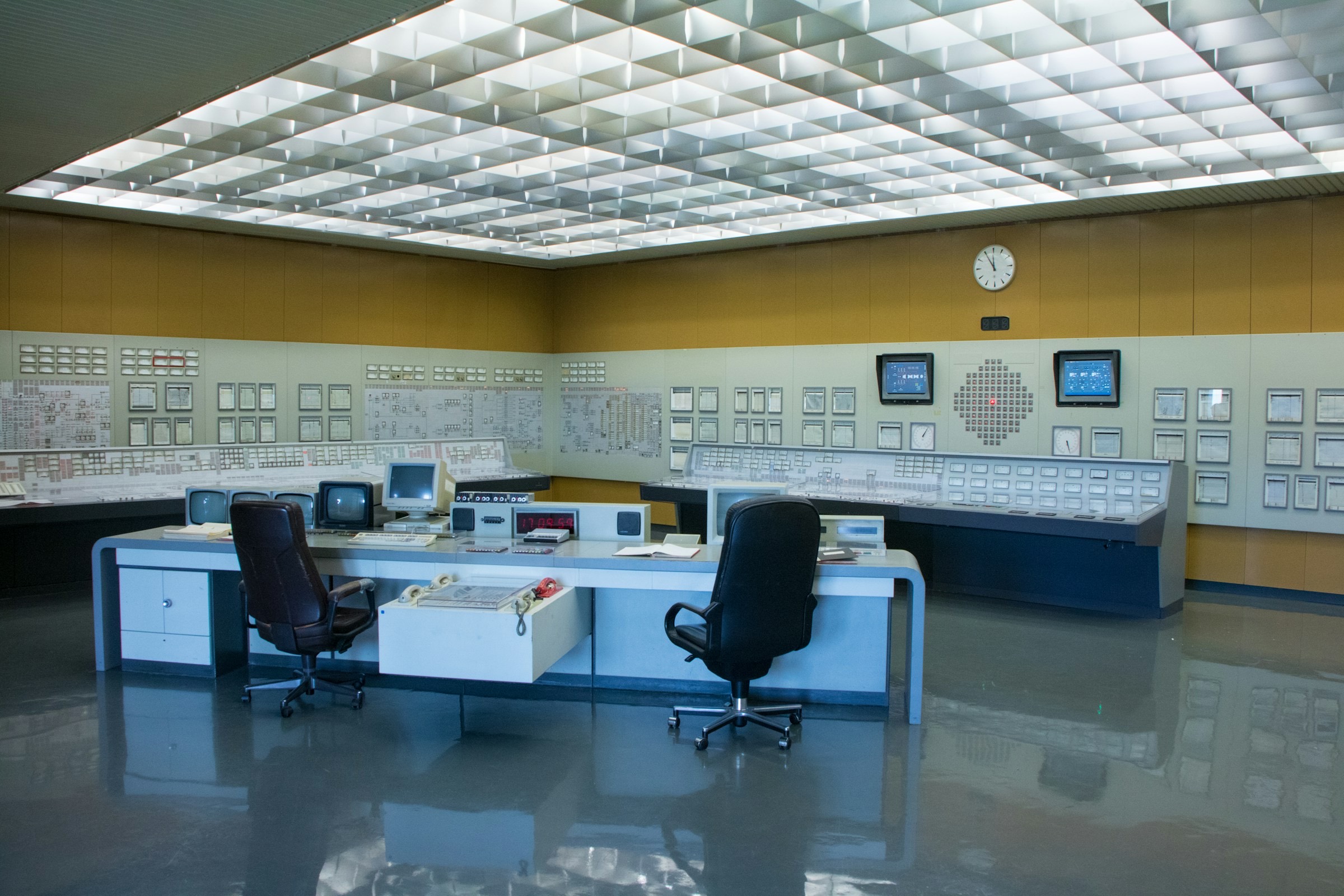
Observability is an engineering property, not a dashboard.
Reliable operations begin with decisions about signals, context and failure behavior long before the interface is designed.
Explore our systems approachInsights / 05
Research briefs, engineering perspectives and operating signals from teams working between emerging technology and critical systems.
Featured dossierReliable operations begin with decisions about signals, context and failure behavior long before the interface is designed.
Explore our systems approachSystems engineering
Automation
Operations
Applied research
Each brief connects a technical development to the decisions, controls and evidence needed for responsible use.
A practical framework for bounding learning behavior and preserving operator accountability.
Why degraded modes and rehearsed restoration make availability targets more credible.
Five checks for exposing ambiguity before integration begins.
Link requirements, configuration and field signals without creating a documentation burden.
Service workflows reveal design assumptions that performance tests miss.
System context changes which efficiency interventions create durable value.
Seven review intervals
A representative equipment study compared isolated thresholds with contextual condition models. The largest gain came from aligning process state, maintenance history and sensor quality.
More data did not create confidence. Better relationships between the data did.
Illustrative normalized dataset shown to explain the analytical method; values are not a customer performance claim.
See data capabilitiesWe track the point where emerging capability begins to change architecture, workforce or investment choices.
More useful local computation is reducing latency and preserving process context close to equipment.
Watch: governance at scaleIndustrial adoption is shifting from broad automation claims toward explicit authority and fallback models.
Watch: operator trustCoatings and engineered interfaces are becoming active levers for thermal and contamination performance.
Watch: qualification pathTechnical systems must carry more context as experienced workforces change and specialization grows.
Watch: usable assistanceShort observations from the field, laboratory and program table reveal where the next useful work may begin.
Field practice
Can the operator explain the fallback state without opening the engineering manual?Question / 01For field system reviews
Laboratory practice
Which part of the result depends on the test fixture rather than the mechanism?Question / 02For applied research reviews
Program practice
What evidence would let both engineering and operations make the same decision?Question / 03For program decision reviews
Keep the signal useful
Create an EBAT account to follow new perspectives, technical dossiers and program updates in your preferred language.