

Projects / 04

Proof lives in the operating result.

Illustrative scenarios show how EBAT would frame complex constraints, integrate across disciplines and carry evidence toward the field.

Start a project
Project index

Work organized by the result it must carry.

Our portfolio spans focused technical interventions and full delivery programs. These four lenses show where the work creates value.

01 / 04

Production automation

Reliable motion, process control and operator workflows.

02 / 04

Critical infrastructure

Observable systems built for continuity and controlled change.

03 / 04

Equipment intelligence

Useful decisions from trustworthy machine and process signals.

04 / 04

Lifecycle reliability

Engineering intervention that protects long-term performance.

Application scenarios

Three constraints. Three distinct delivery paths.

These fictional scenarios explain the EBAT method rather than report completed client work. Each begins with a different operating truth and follows it through architecture, evidence and deployment planning.

Macro view of patterned dies across a silicon wafer
SCENARIO / 01SemiconductorIllustrative environment

Detecting drift before it reaches product.

A proposed sensing and analysis layer connects equipment condition, recipe context and maintenance evidence without changing the validated control core.

Signalisolate process deviation with contextual evidence
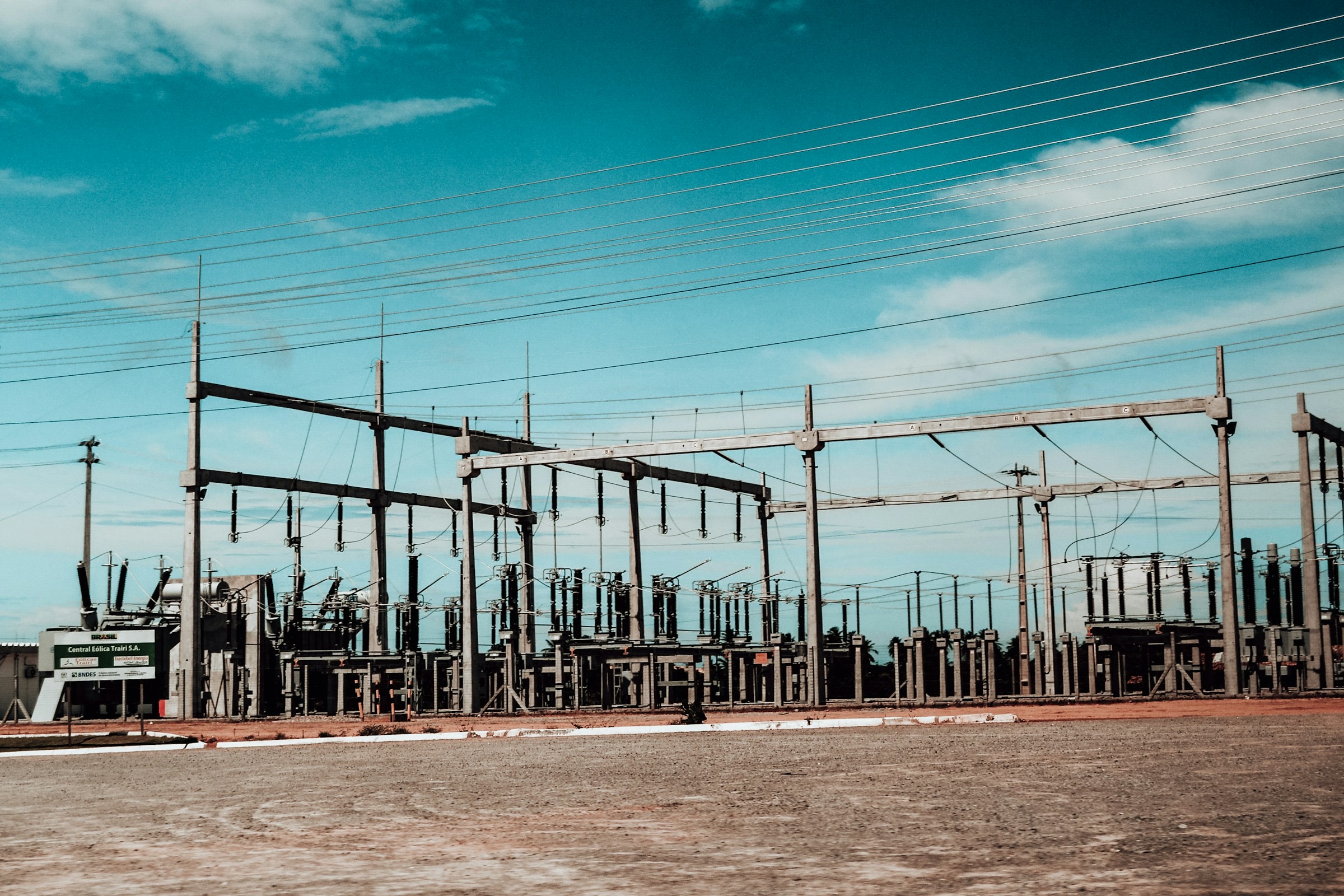
High-voltage switching equipment across an electrical substation
SCENARIO / 02Critical infrastructureIllustrative environment

A clearer operating picture for distributed assets.

A proposed common asset model and edge telemetry architecture turns disconnected alarms into prioritized condition and a traceable response workflow.

Contextconnect asset state to a clear operating response
Service technician diagnosing and soldering an industrial circuit board
SCENARIO / 03Industrial serviceIllustrative environment

Service knowledge made available at the point of work.

A proposed guided diagnostic flow combines live equipment state, verified procedures and escalation context while keeping technicians in control.

Guidancebring verified knowledge to the point of work
Program cadence

Progress is visible before the final handover.

Technical and operating stakeholders review evidence at each gate. The timeline adapts by program, while decision quality remains constant.

Gate / 01

Frame the result

Agree the operating baseline, interfaces, acceptance criteria and unresolved assumptions.

Output: decision frame
Gate / 02

Prove the critical path

Prototype the highest-risk mechanism and collect evidence in a representative setup.

Output: proof package
Gate / 03

Integrate the system

Connect hardware, software, data and workflows under controlled configuration.

Output: qualified system
Gate / 04

Scale with control

Commission, train, monitor and turn field learning into the next release plan.

Output: operating baseline
Field standard

Delivery respects the environment already in motion.

Commissioning plans protect safety, production and the people who will own the system after the project team leaves.

Safe by sequence

Hazards, interlocks and fallback states are verified before functional ambition.

Handover through participation

Operators and maintainers shape workflows, test scenarios and build practical confidence.

Continuity during change

Cutovers use observable checkpoints, rehearsed rollback and explicit decision authority.

EBAT field standard

PlanSafety sequence
EvidenceAcceptance logic
A field system should become understandable to the people who operate and maintain it.
EBAT delivery principle

Define the next result

Your most useful case study can start with one precise question.

Tell us what must improve, what cannot be interrupted and how the result will be judged.

Frame a project with EBAT